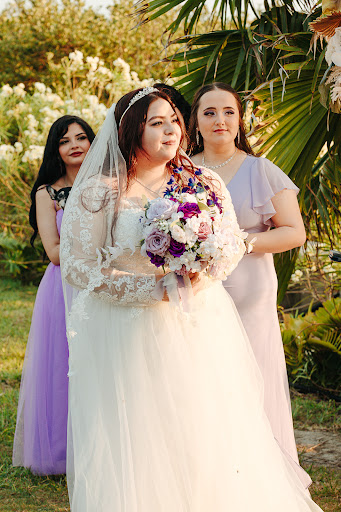
Stress-Free Wedding Planning Tips
Planning a wedding without overwhelm means turning sprawling to-do lists into a clear, controllable process that preserves joy and reduces last-minute chaos. This guide shows practical, repeatable strategies—timeline templates, budgeting tactics, delegation frameworks, and vendor-management checklists—that help couples plan a memorable day while protecting their time and emotional bandwidth. Many engaged couples feel anxiety from open-ended decisions and hidden vendor details; the approach here focuses on predictable systems that remove ambiguity and free you to enjoy the celebration. You will find top stress-reduction tips, a step-by-step planning sequence, ways professional planners and day-of coordinators help, and concrete photography preparation to stay relaxed in front of the camera. Read on for ready-to-use lists, three practical EAV tables, and short templates you can apply immediately to make wedding planning feel manageable and even calming.
What Are the Top Stress-Free Wedding Planning Tips?
A stress-free wedding planning approach centers on clear priorities, realistic timelines, and delegating high-stress items to experienced vendors or helpers. When you structure decisions around a few non-negotiables and use checklists to convert large tasks into weekly actions, you reduce decision fatigue and keep momentum. The practical payoff is predictable progress and fewer surprises, which makes the planning process feel manageable rather than overwhelming. Below are five top tips that work together to simplify planning and preserve your energy for the celebration.
These five tactics form the backbone of a calm planning process:
- Create a realistic timeline with monthly and weekly milestones to guide decisions and reduce last-minute rushes.
- Set a clear budget and identify three non-negotiables that drive choices and spending.
- Delegate administrative tasks to family, friends, or hired coordinators to focus your time on priority items.
- Use standardized checklists and templates to streamline vendor selection, contract review, and day-of logistics.
- Build contingency buffers—extra time and a small emergency kit—to absorb unexpected issues gracefully.
These tips reduce emotional load and create structure, which leads naturally into the specifics of building an effective timeline.
How Can You Organize Your Wedding Timeline Effectively?
A practical wedding timeline starts with high-level milestones and breaks them into weekly or biweekly actions that are easy to complete. Begin with engagement (set priorities), 6–12 months (secure venue and vendors), 3–6 months (confirm details and menu), last month (final payments and seating), week-of (pack emergency kit, confirm timeline), and day-of (vendor check-ins and cueing). Use simple spreadsheet columns for task, owner, deadline, and status so everyone knows who does what and when. This reduces overlapping responsibilities and prevents key items from slipping through the cracks.
Breaking large tasks into weekly actions transforms vague goals into specific, achievable steps, which keeps stress low while momentum builds toward the wedding day.
Effective Time Management for Wedding Events
So, time management is very important for the wedding event. Since we work against the clock to realize the wedding event and wedding planner from the first day of signing the contract until the wedding day, it is necessary to manage time effectively.
What Budgeting Strategies Reduce Wedding Planning Stress?
Budgeting for a wedding becomes less stressful when you allocate funds by priority and use simple rules to decide where to save. Start by listing categories (venue, catering, photography) and assigning priority levels: essential, important, or flexible. Use percentage guidelines—major vendors get larger shares—and keep a contingency line for unexpected costs. Regular budget check-ins (monthly at first, then weekly in the final two months) help prevent overspending and keep decisions aligned with core priorities.
This table illustrates where to invest early and where to plan flexible reductions, a practice that keeps financial stress contained and choices intentional.
How Do You Prioritize Wedding Tasks to Stay Calm?
Prioritize tasks using a simple 3-priority rule: top priorities (must-haves), medium (nice-to-haves), and low (optional or deferrable). Assign ownership—who will do each task—and set realistic deadlines to avoid last-minute scrambles. For example, top priorities include venue booking, guest list finalization, and signing key contracts; medium priorities cover décor details and playlists; low priorities can be DIY favors or optional upgrades. This breakdown helps couples focus energy where it delivers the greatest value and delegate or defer the rest.
Keeping the last sentence focused on delegation naturally leads into planning the wedding without stress through scheduled work sessions and smart systems.
Wedding Consultant’s Role in Organization and Time Management
Day-of wedding coordination packages have become increasingly common and are a great way to ensure the wedding day runs smoothly. The wedding consultant must be able to prioritize the tasks that need to be done and delegate them to the appropriate people. This is where the importance of organization is time management.
How Can You Plan a Wedding Without Stress?
Planning a wedding without stress means following a repeatable blueprint: define priorities, schedule short regular planning sessions, and use checklists and vendor contracts to enforce agreements. This method prevents burnout by limiting planning to focused blocks of time rather than long, unfocused days. Rely on templates and standard contract checklists to avoid common oversights and know when to hire outside help to handle high-stress areas. The result is steady progress with minimal emotional drain.
Follow these steps to structure your planning process:
- Set non-negotiable priorities and a realistic budget before choosing vendors.
- Break the timeline into short weekly sessions and assign tasks to owners with deadlines.
- Use checklists for contracts, shot lists, and day-of logistics to ensure nothing is missed.
These steps prevent common mistakes and make it easier to adapt when issues arise, which connects directly to avoiding typical planning pitfalls.
What Are Simple Steps to Avoid Common Wedding Planning Mistakes?
Prevent overspending and scope creep by documenting vendor responsibilities and confirming deliverables in writing. Ask vendors to provide clear timelines, setup/teardown expectations, and contingency plans for weather or delays. Keep the guest count conservative until contracts are signed to avoid surprise costs, and update your budget whenever you receive new invoices. These simple preventive measures avert many last-minute crises and keep the planning process predictable.
Clear documentation and conservative assumptions reduce revision cycles and make vendor coordination smoother, which leads into why checklists are so helpful.
How Does Creating a Wedding Checklist Help Reduce Anxiety?
A wedding checklist converts anxiety into action by listing tasks, owners, and deadlines so nothing is left to memory. Structure the checklist by milestone—engagement, booking, confirmations, week-of, and day-of—and include a short verification step for each vendor contact. Checking items off delivers steady feedback and lowers stress because progress is visible and measurable. This habit makes delegation straightforward and creates a single source of truth everyone can consult.
Visible progress from checklist completion reinforces calm decision-making and sets the stage for timing your delegations effectively.
When Should You Delegate Wedding Responsibilities?
Delegate administrative or logistical tasks early, such as RSVPs, vendor follow-ups, and welcome-bag assembly, while keeping emotional or symbolic items with close family or the couple. Assign an overall logistics lead—often a parent, wedding party member, or hired coordinator—by the 3–6 month mark so they can absorb operational queries. Delegation removes low-value tasks from the couple’s plate and centralizes vendor communication, reducing confusion and enabling the couple to focus on meaningful choices.
Establishing clear ownership early prevents last-minute reassignment and naturally points to how professional planners can further simplify the process.
What Are the Benefits of Hiring a Wedding Planner for a Stress-Free Wedding?
A professional wedding planner centralizes vendor communication, enforces timelines, and manages contingencies so couples can focus on the experience rather than logistics. Planners bring vendor relationships, negotiation experience, and the ability to foresee common pitfalls, which translates into fewer surprises and smoother execution on the day. Their involvement reduces time spent researching and contacting vendors, minimizes contractual risk, and provides a single escalation point when problems arise. Below is a comparison of common planner service tiers and how each reduces stress.
The practical outcome of these services is time saved and increased reliability, which naturally leads to a brief note about next steps for couples seeking assistance.
To attract engaged couples planning a wedding and those seeing day of coordination, event planning, and wedding photography
Wedding Planner as a Documentary Tool for Project Management
As workplace principles of time and project management are increasingly applied to the organization of weddings, the wedding planner can be seen as a documentary tool. The wedding planner is a text that is produced and used in the context of wedding planning. The wedding planner is a text that is produced and used in the context of wedding planning.
How Does a Wedding Planner Simplify Your Planning Process?
Planners act as a single point of contact for vendors, consolidating communication and reducing duplicate emails and calls. They curate vetted options based on your priorities, present narrowed choices, and manage timelines so you avoid sifting through endless proposals. This streamlines decision-making and reduces the time couples spend on research and negotiation. As a result, couples experience less fatigue and more confidence that details are handled.
A planner’s scope naturally varies by service tier, which is important when choosing the right level of support.
What Services Do Wedding Planners Typically Offer?
Planners usually provide tiered packages: consultations and vendor recommendations, partial planning to cover specific needs, full-service planning for end-to-end management, and day-of coordination for on-the-day execution. Each tier contains a different balance of decision-making support and hands-on execution, allowing couples to match cost and involvement with their needs. Choosing the right tier depends on how much time and emotional energy the couple wants to invest versus outsource.
Understanding these service distinctions helps couples decide where professional help will reduce the most stress, which ties into how planners can save time and money.
How Can a Wedding Planner Save You Time and Money?
Experienced planners negotiate vendor contracts, know where to allocate resources effectively, and prevent costly last-minute fixes through proactive timelines and contingency planning. They can often recommend vendors who reliably deliver on schedule and quality, reducing the risk of replacements or refunds. Planners also streamline payment schedules and manage logistical details that otherwise consume couples’ time. These efficiencies translate to fewer urgent problems and lower overall stress.
What Are Day Of Wedding Coordinator Services and How Do They Help?
A day-of wedding coordinator is a professional who executes the couple’s plan on the wedding day, manages vendors, and resolves issues so the couple and family can stay present. Coordinators arrive early to confirm setups, run through the timeline with vendors, cue the ceremony and reception events, and handle troubleshooting discreetly. Their core value is allowing the couple to enjoy their day without absorbing operational stress. The table below outlines typical day-of coordinator tasks, interactions, and outcomes.
With these duties handled, couples can remain fully present, which naturally connects to example tasks a coordinator performs.
To attract engaged couples planning a wedding and those seeing day of coordination, event planning, and wedding photography
What Tasks Does a Day Of Coordinator Handle on Your Wedding Day?
Coordinators typically arrive early to oversee vendor setup, confirm timing with the venue, cue the wedding party, manage ceremony flow, and supervise the reception timeline. They serve as the onsite contact for vendors and handle guest or family logistical questions so the couple stays unbothered. Coordinators also manage the breakdown process and ensure vendors complete agreed-upon responsibilities. These concrete actions free the couple from operational details and preserve the day’s emotional experience.
The ability to troubleshoot quickly leads into how coordinators prepare for unexpected issues.
How Does a Coordinator Manage Unexpected Issues Stress-Free?
Coordinators prepare contingency plans for likely problems—weather changes, vendor delays, or equipment failure—and maintain vendor contacts to implement solutions immediately. They keep spare supplies or emergency kits on hand and make judgment calls to prioritize guest experience and schedule recovery. By absorbing pressure and making rapid decisions, coordinators prevent small issues from escalating into crisis. This calm, practiced response is why couples report feeling relaxed knowing a coordinator is in charge.
A final benefit is the emotional peace that follows hiring a coordinator, which the next subsection highlights.
Why Is Hiring a Day Of Coordinator Important for Peace of Mind?
Hiring a day-of coordinator gives couples a single escalation point for issues, removes vendor micromanagement from their responsibilities, and preserves emotional energy for the celebration itself. The coordinator’s presence ensures that operational problems are handled without interrupting guests or the couple, which increases overall satisfaction with the day. This emotional and logistical buffer is often the difference between a stressful day and a memorable celebration.
How Can You Ensure Stress-Free Wedding Photography?
Stress-free wedding photography combines careful vendor selection, a prioritized shot list, timeline buffers, and on-day relaxation techniques. Choosing a photographer whose style matches your vision and who demonstrates consistency across full galleries reduces the risk of disappointment. Building buffer time around major photo sessions and preparing logistics—designated assistants, quick-change areas, and an efficient shot list—keeps sessions moving without feeling rushed. These practices let you enjoy authentic photos without turning portraits into a source of anxiety.
Below is a short photography preparation checklist to use with your vendor.
- Create and share a prioritized shot list highlighting must-have family and couple moments.
- Schedule travel and outfit buffers to avoid cascading delays for portraits.
- Assign an on-site helper to wrangle family and keep the timeline on track.
- Plan short breaks for hydration and composure between major photo blocks.
Following this checklist ensures smoother photos and reduces day-of tension, which leads to practical selection criteria.
What Should You Look for When Choosing a Wedding Photographer?
Select a photographer based on consistent style across full wedding galleries, clear contract terms (deliverables and timelines), positive references, and strong communication during consultations. Ask to see complete event albums to verify consistency rather than curated highlights, and confirm backup plans for equipment or illness. Clear expectations in writing prevent misunderstandings and ensure alignment on creative direction. These vetting steps dramatically reduce post-wedding disappointment and stress.
How Can You Prepare for a Smooth Photography Experience?
Prepare by sharing a prioritized shot list, scheduling buffer times for travel and outfit changes, and designating a person to gather family members ahead of group shots. Arrange a quick kit with safety pins, touch-up items, and a day-of contact list for the photographer. Communicate timeline constraints clearly so portrait time is efficient, and plan the first-look or couple portraits at a time that doesn’t conflict with vendor setup. These small preparations keep photography on schedule and preserve your energy.
What Are Tips to Stay Relaxed During Wedding Photos?
Use natural movement prompts—walk, whisper, or laugh—to produce candid moments rather than stiff poses that feel posed and stressful. Practice a few simple poses before the day and plan short hydration or snack breaks to stay energized. Focus on connection with your partner rather than the lens, and rely on the photographer to guide moments; this partnership reduces performance pressure. These techniques help produce genuine, relaxed images that reflect your relationship.
To attract engaged couples planning a wedding and those seeing day of coordination, event planning, and wedding photography
Frequently Asked Questions
What are some common wedding planning pitfalls to avoid?
Common wedding planning pitfalls include overspending, poor communication with vendors, and neglecting to create a detailed timeline. Couples often underestimate the importance of documenting vendor responsibilities and confirming deliverables in writing, which can lead to misunderstandings. Additionally, failing to keep a conservative guest count until contracts are signed can result in unexpected costs. By being proactive and organized, couples can avoid these issues and ensure a smoother planning process.
How can I manage wedding planning stress if I’m on a tight budget?
Managing wedding planning stress on a tight budget involves prioritizing essential elements and being flexible with non-essential items. Start by creating a clear budget that allocates funds to high-priority categories like venue and catering. Consider DIY options for decor or favors, and seek out local vendors who may offer competitive pricing. Regular budget check-ins can help you stay on track and avoid overspending, ultimately reducing financial stress during the planning process.
What role does communication play in stress-free wedding planning?
Effective communication is crucial for stress-free wedding planning. It ensures that everyone involved—couples, vendors, and family members—are on the same page regarding expectations, timelines, and responsibilities. Regular updates and check-ins can prevent misunderstandings and last-minute surprises. Establishing clear lines of communication with your wedding planner or coordinator can also streamline decision-making and help address any concerns promptly, contributing to a more relaxed planning experience.
How can I ensure my wedding day runs smoothly?
To ensure a smooth wedding day, create a detailed timeline that outlines key events and responsibilities. Share this timeline with your vendors and wedding party to keep everyone informed. Designate a trusted person, such as a day-of coordinator, to manage logistics and handle any unexpected issues. Additionally, build in buffer time between events to accommodate delays. This preparation allows you to focus on enjoying your day without worrying about operational details.
What should I consider when choosing wedding vendors?
When choosing wedding vendors, consider their experience, reputation, and compatibility with your vision. Look for reviews and testimonials from previous clients to gauge their reliability and quality of service. Schedule consultations to discuss your needs and assess their communication style. Additionally, ensure that their pricing aligns with your budget and that you understand their contract terms, including deliverables and timelines. This thorough vetting process helps minimize stress and disappointment.
How can I involve family and friends in the wedding planning process?
Involving family and friends in the wedding planning process can alleviate stress and create a sense of community. Assign specific tasks based on their strengths, such as managing RSVPs, helping with decor, or coordinating transportation. Organize planning sessions where everyone can contribute ideas and feedback. However, be clear about boundaries and expectations to prevent overwhelm. This collaborative approach not only lightens your load but also enhances the overall experience for everyone involved.
What are some relaxation techniques to use on the wedding day?
On your wedding day, relaxation techniques can help manage stress and keep you calm. Consider practicing deep breathing exercises or mindfulness meditation to center yourself. Schedule short breaks throughout the day to hydrate and regroup. Engaging in light physical activity, like a short walk, can also help release tension. Additionally, focus on connecting with your partner and enjoying the moment rather than worrying about details. These practices can enhance your overall experience and enjoyment of the day.