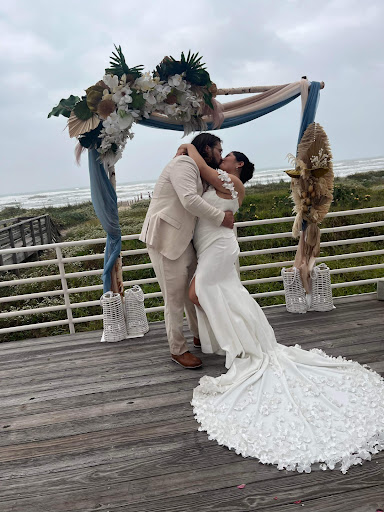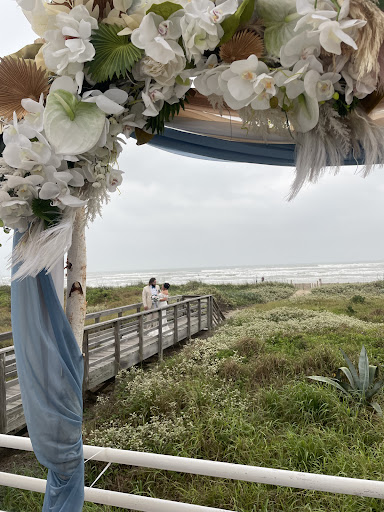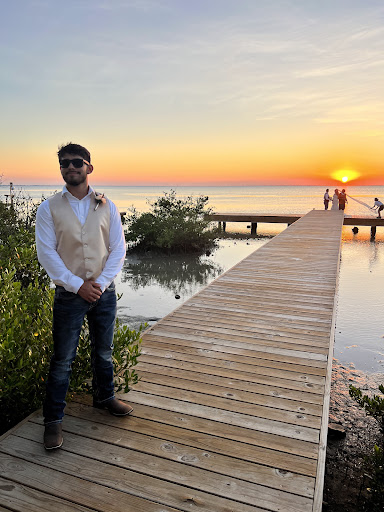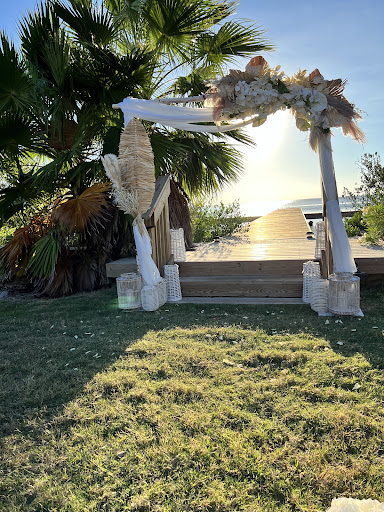
Your Essential Texas Hill Country Wedding Guide — City-by-City Planning for Engaged Couples
Planning a wedding in the Texas Hill Country combines breathtaking scenery with planning details that reward local insight and smart timing. This guide walks engaged couples through each decision, step by step. You’ll discover why the Hill Country is ideal for vineyard, ranch, lakeside, and estate celebrations; which cities and venues suit different styles; how to find and vet planners and coordinators; photography approaches that work with Hill Country light and terrain; and a practical 12-month budgeting and task checklist. We tackle common pain points—unpredictable weather windows, coordinating vendors across rural properties, and balancing a polished look with realistic budgets—by translating regional quirks into concrete planning moves. Each section includes city-by-city recommendations, vendor-selection frameworks, sample comparison tables, checklists, and photography tips so you can make confident choices that reflect your vision. Keep reading for venue comparisons by city, planner and photographer options, budgeting guidance, and vendor checklists tailored to the Texas Hill Country.
What Makes Texas Hill Country the Perfect Wedding Destination?
The Texas Hill Country is a patchwork of oak-studded hills, vineyards, rivers, and rustic estates—each offering a different backdrop for ceremonies and receptions. Those varied landscapes directly shape planning decisions. Close proximity to Austin gives couples access to dramatic outdoor settings while keeping travel and vendor logistics manageable. Micro-seasons and local weather windows influence your ideal ceremony time and vendor scheduling. Venue options range from tiny elopement hideaways to sprawling estates, so you can match scale to setting and budget. Understanding these regional traits helps you pick the right city and venue; the following sections explain why the Hill Country shines and which seasonal windows work best.
The Hill Country delivers a variety of scenic backdrops and guest experiences that suit weddings of many sizes:
- Rolling hills, live oaks, and vineyard rows create picture-ready ceremony and portrait locations that work for intimate elopements and larger estate celebrations alike.
- Venue variety spans vineyards for tastings and sunset photos, barns and ranches for rustic elegance, lakeside sites for golden-hour reflections, and estates with built-in amenities to simplify logistics.
- Being near Austin means easier travel, boutique lodging options, and a deep pool of vendors familiar with local terrain and permitting.
These attributes translate into planning advantages. Next, learn the seasonal windows that help you choose the best wedding date.
Why Choose the Texas Hill Country for Your Wedding?
The Hill Country’s strength is its range of settings and the memorable experiences they create for you and your guests—qualities that also simplify design and vendor choices. Vineyards form natural ceremony aisles and add photographic depth, while barns and ranch estates bring built-in character that reduces the need for heavy décor. On-site activities like winery tours or river outings can turn a wedding into a weekend people want to attend, boosting guest engagement. Choosing the region also guides vendor selection: florists and caterers who work locally can recommend seasonal sourcing that’s both beautiful and cost-effective. With those benefits in mind, the next section covers the best months to plan your Hill Country wedding for weather and light.
When Is the Best Time to Get Married in Texas Hill Country?
Spring and fall are the most reliable windows—milder temperatures, consistent blooms, and flattering light make outdoor ceremonies and photos more comfortable. Spring (March–May) brings wildflowers and green hills; fall (September–November) offers crisp evenings and softer light—both help avoid the summer heat. If you choose summer, plan an early evening ceremony, plenty of shaded seating, hydration stations, and vendor delivery times that avoid the hottest hours. Winter weddings work best for smaller guest lists or venues with covered spaces—just confirm contingency plans and extra lighting for shorter days.
Knowing the best months helps you prioritize venue tours and check vendor availability as you move into venue selection across Hill Country cities.
Which Are the Top Wedding Venues in Texas Hill Country Cities?
Picking the right city and venue depends on your aesthetic, guest count, and tolerance for rural travel. This section summarizes standout venue types by city and offers a quick comparison table to help you shortlist. The table compares representative attributes—capacity, indoor/outdoor flexibility, and standout features—so you can quickly scan for fit before scheduling site visits. After the table, city-specific notes highlight what makes each location practical and appealing for different wedding styles. Use the comparison to narrow your list, then the city blurbs to refine priorities like accommodations, vendor access, and peak-season timing.
This table compares venue fit across core Hill Country cities:
Use this comparison to match city and venue to your guest count and desired setting. The following subsections provide city-specific recommendations and logistics to guide your site visits.
What Are the Best Wedding Venues in Dripping Springs?
Dripping Springs is a wedding hub thanks to its concentration of ranches, barns, and estates that handle a wide range of guest sizes while keeping an authentic Hill Country feel. Many venues include ceremony sites framed by native vegetation and reception spaces that move smoothly from daytime into evening—reducing décor needs and simplifying timelines. Drive time from Austin is reasonable for most guests, and the town offers lodging and rehearsal-dinner options that help keep multi-day celebrations cohesive. When touring, prioritize venues with clearly defined vendor load-in windows and weather contingency plans—those operational details often determine whether a site can reliably support your design and timeline.
Which Vineyard and Rustic Venues Are Popular in Fredericksburg?
Fredericksburg is known for vineyards and rustic wineries that deliver ready-made photo scenery, tasting experiences, and flexible reception layouts—from intimate dinners to larger tasting-room gatherings. Vineyard venues often have structured ceremony terraces and adjacent reception spaces that keep guest flow efficient and create stunning sunset portraits. Harvest season can add atmosphere but also affects availability and pricing, so book vendors early if you’re targeting fall or late-summer dates. On visits, ask about on-site tasting options, any sound restrictions, and whether the venue allows outside catering to make sure your culinary and guest-experience plans fit the property’s rules.
Where to Find Charming Wedding Venues in Wimberley and Austin Hill Country?
Wimberley shines for intimate, nature-forward venues—river overlooks, shaded groves, and small estates—making it an excellent choice for couples who want privacy and landscape-driven ceremonies. Austin Hill Country mixes estate venues with easy access to city vendors and services, offering a solid blend of natural backdrops and logistical convenience. For both areas, check access for guest buses or shuttles and evaluate parking versus valet, as some rural properties limit on-site parking. Choosing a venue that matches guest mobility and accommodation patterns keeps your timeline realistic and reduces day-of stress. For more information, visit wedding coordination in Wimberley.
What Unique Venues Are Available in New Braunfels and Canyon Lake?
New Braunfels and Canyon Lake specialize in waterfront and river-centric venues that showcase reflections, bridges, and dramatic sunset light—very different from vineyard or ranch settings. Waterfront sites require careful timing—photos often work best around golden hour—and vendors should plan for wind or humidity that can affect décor and sound. These venues accommodate a wide range of guest sizes but may have safety or permitting rules for ceremony setups near water. When touring lakeside properties, confirm staging and guest-flow plans so the day moves seamlessly from ceremony to reception.
How Can You Find Expert Wedding Planners and Coordinators in Texas Hill Country?
Start by understanding service types: full-service planning, partial planning, and day-of coordination. Match the scope to your timeline, event complexity, and how involved you want to be. A consistent vetting process—portfolio review, references, sample timelines, and clear contract deliverables—reduces risk and ensures the planner’s strengths align with your venue and vision. The table below clarifies service levels, typical inclusions, and when to hire each. Use it to decide what support you need, then follow the practical vetting checklist and interview prompts in the next sections.
This comparison shows how different engagement levels translate into responsibilities. The following subsections break down the local planner benefits and vetting steps for key Hill Country towns.
What Are the Benefits of Hiring a Fredericksburg Wedding Planner?
A Fredericksburg planner brings local vendor relationships, venue-specific knowledge, and seasonal experience that save time and prevent common hiccups. These planners often work with florists, caterers, and rental teams who understand local sourcing and can suggest cost-effective, seasonal options. Their familiarity with venue rules—noise ordinances, set-up windows, and preferred load-in routes—reduces surprises and simplifies permit or insurance conversations. Hiring a local planner early gives you coordinated vendor timelines and negotiating leverage that keeps the planning process smoother.
How Does Day-of Coordination Simplify Your Dripping Springs Wedding?
Day-of coordination focuses on executing your plan: managing vendor arrival windows, enforcing the timeline, and solving last-minute issues so you can stay present with guests. Coordinators confirm vendor arrival times in advance, produce a minute-by-minute schedule, and handle site logistics like parking and shuttle flow. On the wedding day they serve as the primary vendor contact, resolve setup glitches, and keep the ceremony and reception running smoothly. That hands-off experience reduces stress and helps vendors deliver as planned—especially valuable at busy Dripping Springs venues with multiple moving parts.
Where to Find Trusted Wimberley Wedding Coordinators?
In Wimberley, start with local referrals, venue recommendations, and portfolio reviews to find coordinators experienced with intimate, nature-based events and the traffic and weather realities of rural sites. Interview candidates about past weddings at similar venues and request full timelines from prior events to assess their operational style and crisis management. Ask targeted questions about weather contingency plans, permissions for outdoor features, and typical vendor contacts they work with. Prioritizing coordinators with hands-on Wimberley experience helps ensure smoother logistics and a better fit for nature-integrated ceremonies.
What Should You Expect from Austin Hill Country Wedding Planners?
Planners in Austin Hill Country usually offer comprehensive services that blend design sensibility with operational rigor—vendor sourcing, contract negotiation, timeline development, and on-site management. Expect clear deliverables such as design boards, vendor lists, and production schedules, and look for planners who leverage urban-adjacent vendor networks for rentals, lighting, and specialty services that elevate presentation. Their estate-venue experience and city-level connections translate into proactive problem-solving and stronger negotiation leverage. Confirm communication cadence and team support so you know who your point of contact will be as planning ramps up.
What Are the Best Wedding Photography Options in Texas Hill Country?
Photography should match your wedding’s scale, timeline, and the region’s light and landscape. Knowing common package structures and what to prioritize helps you secure images that tell the full story. Hill Country photographers typically offer tiered packages that vary by coverage hours, second-shooter availability, engagement sessions, and deliverables like albums or digital galleries. The list below summarizes common package components and practical questions to ask photographers; the following H3s cover regional package availability, how to choose photographers for Dripping Springs and Fredericksburg, and elopement-specific needs.
Photography packages commonly include these components and add-ons:
- Coverage Hours: Contract hours determine which moments—prep through reception—are captured.
- Second Shooter: A second photographer provides alternate angles and broader coverage for larger ceremonies.
- Engagement Session: A pre-wedding shoot builds rapport and delivers portraits for invitations or displays.
- Albums and Prints: Physical keepsakes preserve your story—ask about print quality and album design options.
After choosing the components you want, confirm the photographer’s experience with your venue type so timelines and light are optimized for portraits and ceremony shots.
Which Austin Hill Country Wedding Photography Packages Are Available?
Packages in Austin Hill Country range from full-day coverage with a second shooter and album options to shorter bundles focused on the ceremony and portraits; many photographers offer à la carte add-ons like engagement sessions or same-day edits. For estate or large-guest events, prioritize a package that includes a second shooter and extended coverage to capture preparations and after-party moments. Ask to see full-day galleries—not just highlights—to judge consistency across lighting conditions and vendor transitions. The right package gives your photographer time to build narrative images that reflect venue and schedule.
How to Choose the Right Photographer for Dripping Springs and Fredericksburg Weddings?
Choose photographers with venue-specific experience—vineyards require planning for backlit portraits and sun flare, while barns and ranches demand low-light skill for evening receptions. Review complete wedding galleries from similar venues, and discuss their timeline approach for golden-hour portraits and rain contingencies. Confirm gallery turnaround times and album workflows, and request contract language about usage rights and extra hours. Prioritizing photographers who know your venue type will yield images that reflect both your story and the Hill Country’s unique light.
What Makes Wedding Photography Unique in Hill Country Elopements?
Elopement photography focuses on storytelling and integrating landscape over covering every guest moment. Elopement photographers often handle location scouting, permits, and flexible timing to capture the best light. With shorter windows, they plan compact shot lists that prioritize the moments showing both the couple and the setting. When hiring for an elopement, confirm whether your photographer covers scouting, permits, and fast editing so your images reflect intimacy and place.
How Do You Budget and Plan a Stress-Free Wedding in Texas Hill Country?
Budgeting well in the Hill Country starts with knowing the major cost drivers—venue, catering, photography, rentals—and aligning spending with the priorities that most affect guest experience. Begin with a transparent category-by-city cost table to set expectations, then follow a 12-month checklist to sequence bookings—venue, planner, photographer, caterer—and adopt cost-saving tactics that keep visual impact high. Prioritize photography and design while choosing rental-efficient décor to preserve a luxe feel without overspending. The table and checklist below give you a baseline and an order for bookings.
Typical cost ranges vary by city and venue type; use this table as a planning baseline:
This breakdown highlights where the biggest levers are and which line items most affect total spend—helping you make targeted choices that keep the guest experience intact without blowing the budget.
What Is the Average Cost of a Texas Hill Country Wedding by City?
Average costs vary mainly by venue type and guest count. Vineyards and estates usually carry higher rental fees, while barns and some lakeside sites may have lower base rates but require more rentals and infrastructure. Guest count drives catering and bar costs, and seasonality affects venue and vendor pricing—spring and fall are peak. Use a per-category allocation approach (for example, prioritize photography and planning if those matter most) and adjust as vendor quotes arrive. Knowing these drivers lets you make trade-offs that preserve the overall look and experience without inflating your budget unnecessarily.
How Can You Save Money Without Sacrificing Luxury?
Focus spend on high-impact areas—photography, design/visuals, and an experienced coordinator—since these shape perceived quality most. Bundle vendor services when possible; venues with in-house catering or vetted vendor packages can reduce fees and simplify logistics. Choose seasonal, local florals and rental-friendly décor instead of large custom installations to maintain a high-end aesthetic at lower cost. Smart trade-offs—like a stunning ceremony backdrop paired with simpler reception centerpieces—deliver a luxurious feel while keeping expenses in check.
What Is a 12-Month Texas Hill Country Wedding Planning Checklist?
A 12-month checklist sequences milestones so you stay organized: secure venue and planner, book key vendors (photographer, caterer, florist), finalize guest list and accommodations, and confirm permits and insurance. Early tasks include venue selection and deposit, photographer booking, and creating an initial budget. Mid-stage work focuses on design decisions, menu tastings, and drafting timelines. Final months center on confirmations, seating, and rehearsal logistics. Stagger payments and keep regular vendor communication to protect cash flow and reduce last-minute surprises. Planning in this order helps ensure vendor availability and gives you time to refine details that elevate the guest experience.
How to Choose Vendors and Manage Your Wedding Timeline Effectively?
Use a consistent vetting checklist for vendors: sample contracts, full-event galleries, references, and transparent cancellation and overtime policies. Book by dependency—venue first, then planner and photographer, followed by caterer and rentals, which depend on guest count and site logistics. Build a master timeline with vendor arrival windows, sound checks, and contingency buffers so everyone understands flow and responsibilities. Clear timeline management reduces day-of stress and lets you enjoy the experience rather than troubleshoot operations.
What Local Vendors and Services Should You Consider for Your Texas Hill Country Wedding?
Local vendors shape both the look and the logistics of Hill Country weddings, so assemble a team experienced with regional seasons and venue types. This section covers floristry and catering considerations for Dripping Springs and Fredericksburg, sourcing DJs, rentals, and technical services, and how to add sustainable and personalized options that suit the Hill Country. The lists and vendor table below help you prioritize vendor types and vet service expectations before reaching out to prospects.
Floristry and catering choices define much of the sensory experience and frequently shape guest perception of quality:
- Seasonal Floral Sourcing: Local, in-season flowers lower cost, support sustainability, and match the Hill Country’s natural textures and colors.
- Catering Service Style: Choose plated service for formal elegance, or stations/family-style for interactive, cost-controlled dining experiences.
- Tasting and Menu Customization: Confirm tasting policies early and request sample menus that reflect seasonal availability so your menu aligns with your vision.
These vendor decisions tie directly into logistics and budget, which the following subsections explore in more detail.
Which Florists and Caterers Are Recommended in Dripping Springs and Fredericksburg?
When comparing florists and caterers, look for portfolios showing work at similar venues and ask about seasonal sourcing and tasting options that highlight Hill Country ingredients. Florists who partner with local growers can create arrangements that feel native to the landscape and often cost less than out-of-season imports. Caterers should provide clear sample menus, service-style options, and staffing plans scaled to your guest count to avoid service surprises. Confirm contract terms for deposits, staffing minimums, and final guest guarantees to keep costs and execution predictable.
Where to Find DJs, Rentals, and Other Essential Wedding Services in Hill Country?
Sourcing DJs, lighting, AV, and rental companies requires early coordination with the venue about power access, load-in windows, and permitted inventory. Standardize technical questions across vendor interviews: ask rental providers about delivery, setup, and pickup windows, and confirm DJs/AV teams carry backups and have venue-tested setups. Preferred-vendor lists can be a useful starting point, but always request references and sample timelines that show setup and strike procedures. Clear technical checklists and vendor communication plans keep audio-visuals seamless and guests comfortable across diverse Hill Country properties.
How Do Sustainable and Personalized Wedding Options Fit into Texas Hill Country Weddings?
Sustainable choices—local sourcing, rentals instead of single-use items, and seasonal menus—fit naturally with Hill Country aesthetics and reduce waste while supporting local vendors. Personalized touches like locally made welcome gifts, story-driven ceremony elements, or stationery inspired by the landscape deepen guest connection to place and often cost less than mass-produced alternatives. When vetting vendors, ask about sustainability practices and reusable décor options to balance custom design with environmental responsibility. These choices preserve a luxe, authentic feel while minimizing impact and rounding out the vendor-selection process that supports your wedding vision.
Frequently Asked Questions
What are the key considerations for choosing a wedding venue in Texas Hill Country?
Focus on guest capacity, indoor/outdoor flexibility, and features that match your wedding style. Check proximity to accommodations and transportation for guests, and review venue policies on catering, décor, and vendor access since those affect both cost and logistics. Finally, confirm availability for your preferred season so you can secure your ideal date.
How can I ensure my wedding photography captures the essence of Texas Hill Country?
Pick a photographer experienced with the region’s landscapes and lighting. Share your vision and preferred locations so they can recommend the best spots. Schedule key portraits around golden hour when possible, and make sure your photographer understands your timeline and must-have moments so they can plan accordingly.
What are some tips for managing wedding logistics in rural Texas Hill Country?
Plan a detailed timeline that includes vendor arrival times, guest transportation, and weather contingencies. Communicate venue-specific challenges—limited access or parking—with your vendors and consider hiring a local planner who knows the area. Provide clear directions and transport options for guests to minimize confusion and delays.
How can I incorporate local culture into my Texas Hill Country wedding?
Feature local cuisine and regional wines, use native flowers, and hire local musicians to bring authentic Texas flavor to your celebration. Personal touches—custom favors that reflect the area or storytelling elements during the ceremony—create memorable moments that connect guests to place.
What are the benefits of hiring a local wedding planner in Texas Hill Country?
Local planners know the venues, vendors, and seasonal trends—and they can anticipate logistical issues unique to rural settings. They often have vendor relationships that can improve pricing and communication, saving you time and stress so you can enjoy the planning journey.
What should I consider when planning a destination wedding in Texas Hill Country?
Account for guest travel logistics, including transport and lodging. Share local activities and attractions to enrich guests’ stays, and visit ahead of time to finalize venue details and meet vendors when possible. Be mindful of seasonal weather and maintain a reliable communication plan to keep everyone informed.
How can I create a budget-friendly wedding without sacrificing quality in Texas Hill Country?
Prioritize spending on high-impact areas like photography and venue, and consider off-peak dates to save on fees. Use local, seasonal flowers and caterers to lower costs while preserving authenticity. Simplify décor by focusing on a standout ceremony backdrop and streamlined reception centerpieces, and look for vendor packages that bundle services for savings.